 Fabulous Roofing
Maintaining the Integrity and Security of Your Building
Flat roofs are a popular choice for many buildings due to their cost-effectiveness and space efficiency. However, like any other part of a structure, they require regular maintenance and timely replacement to ensure safety and functionality. Ignoring signs of wear and tear can lead to serious issues, including leaks, structural damage, and even health hazards from mold or pests. Understanding when to replace your flat roof is crucial in preventing these problems and ensuring the overall safety of your building.
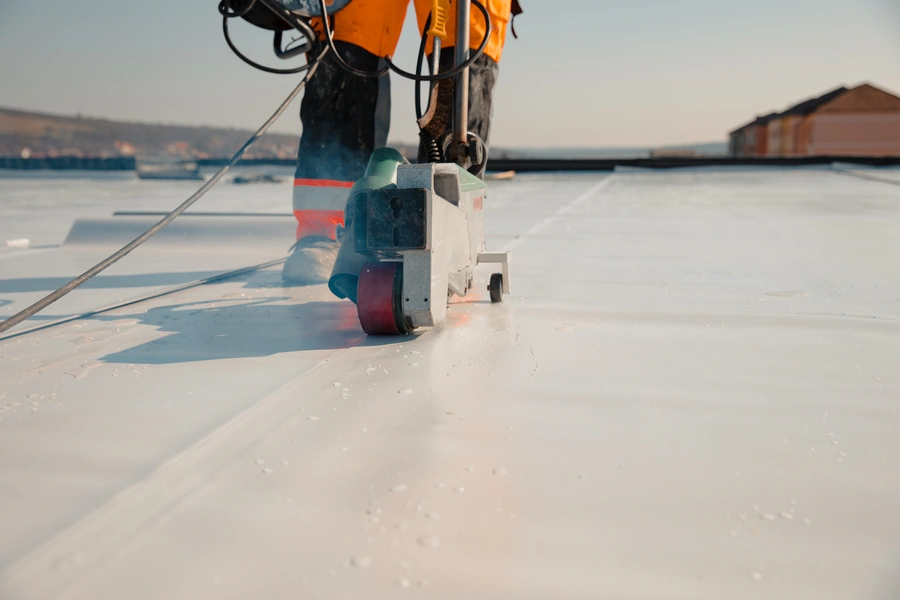
Benefits of Timely Roof Replacement
Replacing a flat roof in a timely manner offers several significant benefits. Firstly, it prevents water leaks that can cause extensive interior damage. A new roof provides better insulation, reducing energy costs by maintaining indoor temperatures more efficiently. It also enhances the building’s value by improving its aesthetic appeal and extending its lifespan.
Identifying Signs of Roof Deterioration
Regular inspection is key to identifying when a flat roof needs replacement. Look for visible cracks, blisters, or bubbles in the roofing material. These indicate moisture trapped under the surface. If you notice persistent leaks, it’s time to consider a new flat roof replacement. Additionally, pooling water on the roof after rain is a sign of inadequate drainage, which should be addressed promptly.
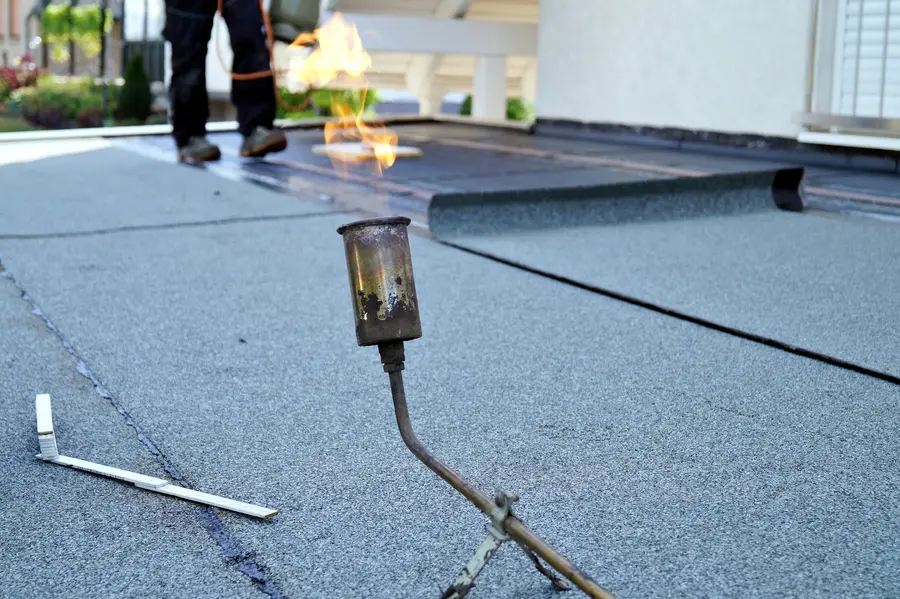
Common Issues With Aging Flat Roofs
Aging roofs present several challenges. One common problem is membrane shrinkage, which occurs when the roofing material contracts over time, leading to cracks and splits. Another issue is punctures from debris or foot traffic. Moreover, UV rays can degrade roofing materials, making them brittle and prone to breakage. Addressing these issues requires proactive measures such as regular maintenance and eventual flat roof replacement.
Steps for Choosing the Right Roofing Material
Selecting appropriate roofing materials is essential for a successful replacement project. Consider factors like climate conditions and budget constraints when deciding on materials. Popular options include EPDM rubber roofing, TPO (thermoplastic polyolefin), and PVC (polyvinyl chloride). Each has unique properties suited for different environmental conditions.
- EPDM: Known for durability and flexibility
- TPO: Offers energy efficiency with reflective properties
- PVC: Provides strong resistance against chemicals and fire
Best Practices for Maintaining Flat Roofs
Proper maintenance extends the life of a flat roof significantly. Regularly clear debris to prevent drainage blockage. Schedule annual inspections with professionals who can spot minor issues before they escalate. Implement repairs promptly to avoid costly replacements down the line.
Cost Considerations When Replacing Your Roof
The cost of replacing a flat roof varies based on several factors such as size, material choice, and labor charges in your area. While upfront costs might seem high, investing in quality materials offers long-term savings through reduced maintenance needs and lower utility bills. Evaluate potential return on investment by considering increased property value post-replacement.
Your Next Steps for Roof Replacement
To protect your property effectively, plan for regular evaluations and replace your roof when necessary. Contact Fabulous Roofing at (347) 716-6117 for expert advice tailored to your specific needs. Our team in Brooklyn, NY specializes in providing comprehensive solutions that ensure the safety and longevity of your building’s structure.